
←
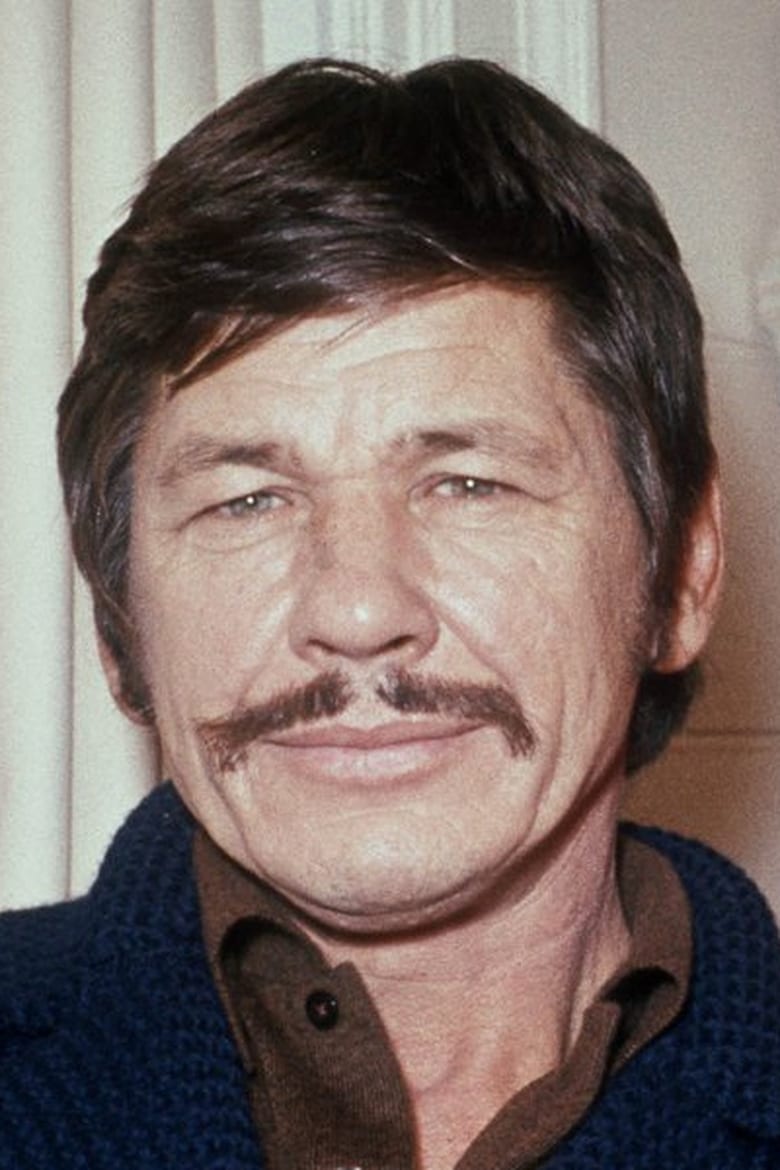
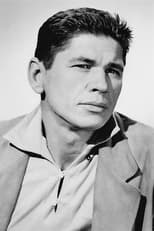
Meet Charles Bronson
★ Acting🎥 110 films📺 76 TV shows📅 1944–2026🔥 3
Also known as: Charles Dennis Buchinsky, Le Sacre Monstre, Karolis Bučinskis, Karolis Dionyzas Bučinskis...
Born in Ehrenfeld, Pennsylvania, USA
1921-11-03 (age 81 at death)
Died 2003-08-30
From Wikipedia, the free encyclopedia
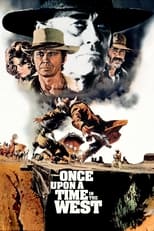
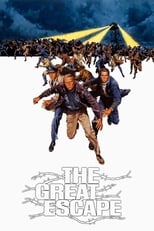
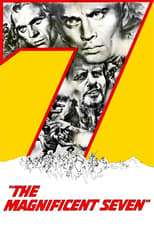
Charles Bronson (born Charles Dennis Buchinsky; November 3, 1921 – August 30, 2003) was an American actor. He was known for his roles in action films and his "granite features and brawny physique". Bronson was born into extreme poverty in Ehrenfeld, Pennsylvania, a coal mining town in the Allegheny Mountains. Bronson's father, a miner, died when Bronson was young. Bronson himself worked in the mines as well until joining the United States Army Air Forces in 1943 to fight in World War II. Bronson had sizeable co-starring roles in The Magnificent Seven (1960), The Great Escape (1963), This Property Is Condemned (1966), and The Dirty Dozen (1967). Bronson also performed in many major television shows, and was nominated for an Emmy Award for his supporting role in an episode of General Electric Theater. Actor Alain Delon (who was a fan of Bronson) hired him to co-star with him in the French film Adieu l'ami (1968). That year, he also played one of the leads in the Italian spaghetti Western, Once Upon a Time in the West (1968). Bronson continued playing leads in various action, Western, and war films made in Europe, including Rider on the Rain (1970), which won a Golden Globe Award for Best Foreign Language Film. During this time Bronson was the most popular American actor in Europe.
Early life and war service
Bronson was born November 3, 1921, in Ehrenfeld, Pennsylvania, a coal mining region in the Allegheny Mountains, north of Johnstown. He was the 11th of 15 children born into a Roman Catholic family of Lithuanian descent. The very large family slept in shifts in their cold-water shack. The coal car tracks that ran out of the mine's mouth passed just a few yards away. His father, Walter Buchinsky (né Vladislavas Valteris Paulius Bučinskas/Bučinskis), was a Lipka Tatar from Druskininkai in southern Lithuania. Bronson's mother, Mary (née Valinsky), whose parents were from Lithuania, was born in Tamaqua, Pennsylvania, in the Anthracite Coal Region.
Bronson said English was not spoken at home during his childhood, like many other first-generation American children he grew up with. He once recounted that even as a soldier, his accent was strong enough to make his comrades think he was a foreigner. Besides English, he could speak Lithuanian and Russian.
Marriages
His first marriage was to Harriet Tendler, whom he met when both were fledgling actors in Philadelphia. They had two children, Suzanne and Tony, before divorcing in 1965. Bronson died at age 81 on August 30, 2003, at Cedars-Sinai Medical Center in Los Angeles.
Bronson was married to English actress Jill Ireland from October 5, 1968, until her death in 1990. Death
Bronson died at age 81 on August 30, 2003, at Cedars-Sinai Medical Center in Los Angeles.
Although pneumonia and Alzheimer's disease have been cited as his cause of death, neither appears on his death certificate, which cites "respiratory failure", "metastatic lung cancer", with, secondarily, "chronic obstructive pulmonary disease" and "congestive cardiomyopathy" as the causes of death. He was interred at Brownsville Cemetery in West Windsor, Vermont. CLR
Web: Not available
Highest Rated Films



Powered by TMDB. © MyMovieScripts.com. All Rights Reserved. Make your videos interactive|Built by  TouchPoint.Video
TouchPoint.Video