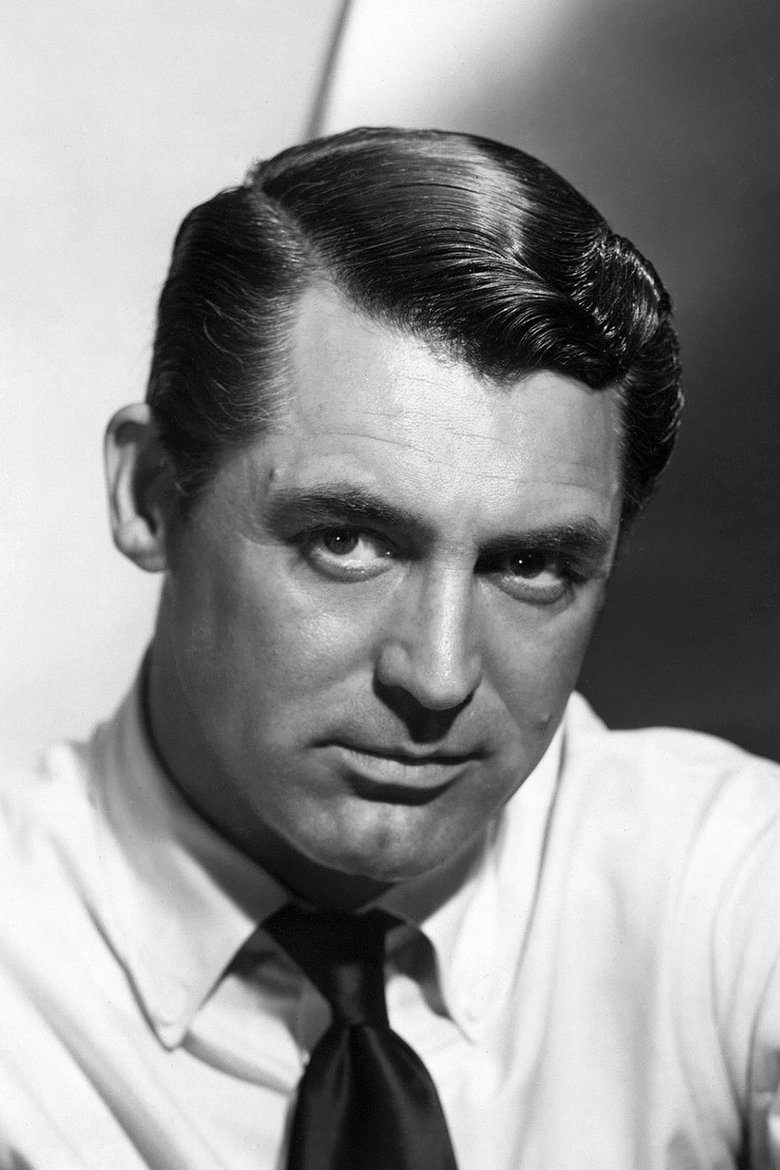
Born in Horfield, Bristol, England, UK
1904-01-18 (age 82 at death)
Died 1986-11-29
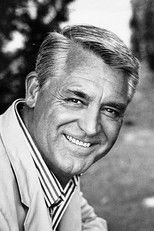
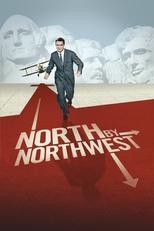
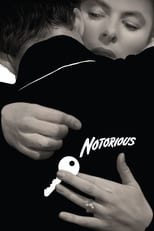
Cary Grant (born Archibald Alec Leach; January 18, 1904 – November 29, 1986) was a British-American actor, celebrated for his debonair charm, impeccable comic timing, and sophisticated screen presence. He became one of Hollywood’s most iconic leading men, starring in classics such as Bringing Up Baby (1938), His Girl Friday (1940), Notorious (1946), and North by Northwest (1959).
Grant had a difficult childhood, marked by his mother’s institutionalization and his father’s alcoholism. At 16, he joined the Pender Troupe, a group of acrobats, which led him to New York City, where he built a career in vaudeville before transitioning to Hollywood in the early 1930s.
His breakthrough came with screwball comedies, where his witty delivery and effortless charisma made him a favorite among audiences. He worked with legendary directors such as Howard Hawks, Alfred Hitchcock, and George Cukor, solidifying his reputation as a versatile and enduring star.
Grant was married five times, but his longtime companionship with fellow actor Randolph Scott fueled speculation about his sexuality. The two lived together for over a decade, sharing a home in Los Angeles, which led to rumors that they were romantically involved. While Grant never publicly addressed these claims, some biographers suggest that his relationship with Scott was more than just friendship.
Despite the speculation, Grant maintained a carefully curated public image, often portraying the ideal romantic lead opposite Hollywood’s most glamorous actresses, including Katharine Hepburn, Ingrid Bergman, and Grace Kelly.
Grant retired from acting in 1966, choosing to focus on business ventures and his family. He received an Academy Honorary Award in 1970 and was honored with the Kennedy Center Award in 1981. He passed away on November 29, 1986, at the age of 82.
His legacy remains unmatched, with the American Film Institute ranking him as the second greatest male star of Hollywood’s Golden Age. His timeless appeal, effortless sophistication, and enigmatic personal life continue to fascinate audiences and film historians alike.From Wikipedia
Cary Grant (born Archibald Alec Leach; 18 January 1904 – 29 November 1986) was an English-American actor. Known for his blended British and American accent, debonair demeanor, lighthearted approach to acting, and sense of comic timing, he was one of classic Hollywood's definitive leading men. He was nominated twice for the Academy Award, received an Academy Honorary Award in 1970, and received the Kennedy Center Honor in 1981. He was named the second-greatest male star of the Golden Age of Hollywood by the American Film Institute in 1999.
Grant was born into an impoverished family in Bristol, where he had an unhappy childhood marked by the absence of his mother and his father's alcoholism. He became attracted to theatre at a young age when he visited the Bristol Hippodrome. At 16, he went as a stage performer with the Pender Troupe for a tour of the US. After a series of successful performances in New York City, he decided to stay there. He established a name for himself in vaudeville in the 1920s and toured the United States before moving to Hollywood in the early 1930s.
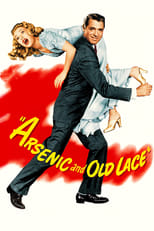
Grant initially appeared in crime films and dramas, such as Blonde Venus (1932) and She Done Him Wrong (1933), but later gained renown for his performances in romantic screwball comedies such as The Awful Truth (1937), Bringing Up Baby (1938), His Girl Friday (1940), and The Philadelphia Story (1940). These pictures are frequently cited among the greatest comedy films of all time. Other well-known films in which he starred in this period were the adventure Gunga Din (1939), the dark comedy Arsenic and Old Lace (1944), and the dramas Only Angels Have Wings (1939), Penny Serenade (1941), and None but the Lonely Heart (1944), the latter two for which he was nominated for the Academy Award for Best Actor.
During the 1940s and 1950s, Grant had a close working relationship with director Alfred Hitchcock, who cast him in four films: Suspicion (1941), Notorious (1946), To Catch a Thief (1955), and North by Northwest (1959). For the suspense-dramas Suspicion and Notorious, Grant took on darker, morally ambiguous characters, both challenging Grant's screen persona and his acting abilities. Toward the end of his career he starred in the romantic films An Affair to Remember (1957), Indiscreet (1958), Operation Petticoat (1959), That Touch of Mink (1962), and Charade (1963). He is remembered by critics for his unusually broad appeal as a handsome, suave actor who did not take himself too seriously, and in comedies was able to toy with his dignity without sacrificing it entirely.
Grant was married five times, three of them elopements with actresses Virginia Cherrill (1934–1935), Betsy Drake (1949–1962), and Dyan Cannon (1965–1968). He had daughter Jennifer Grant with Cannon. He retired from film acting in 1966 and pursued numerous business interests, representing cosmetics firm Fabergé and sitting on the board of Metro-Goldwyn-Mayer. He died of a stroke in 1986 at the age of 82.

Web: Not available