Born in Rio de Janeiro, Rio de Janeiro, Brazil
1929-10-16 (age 96)
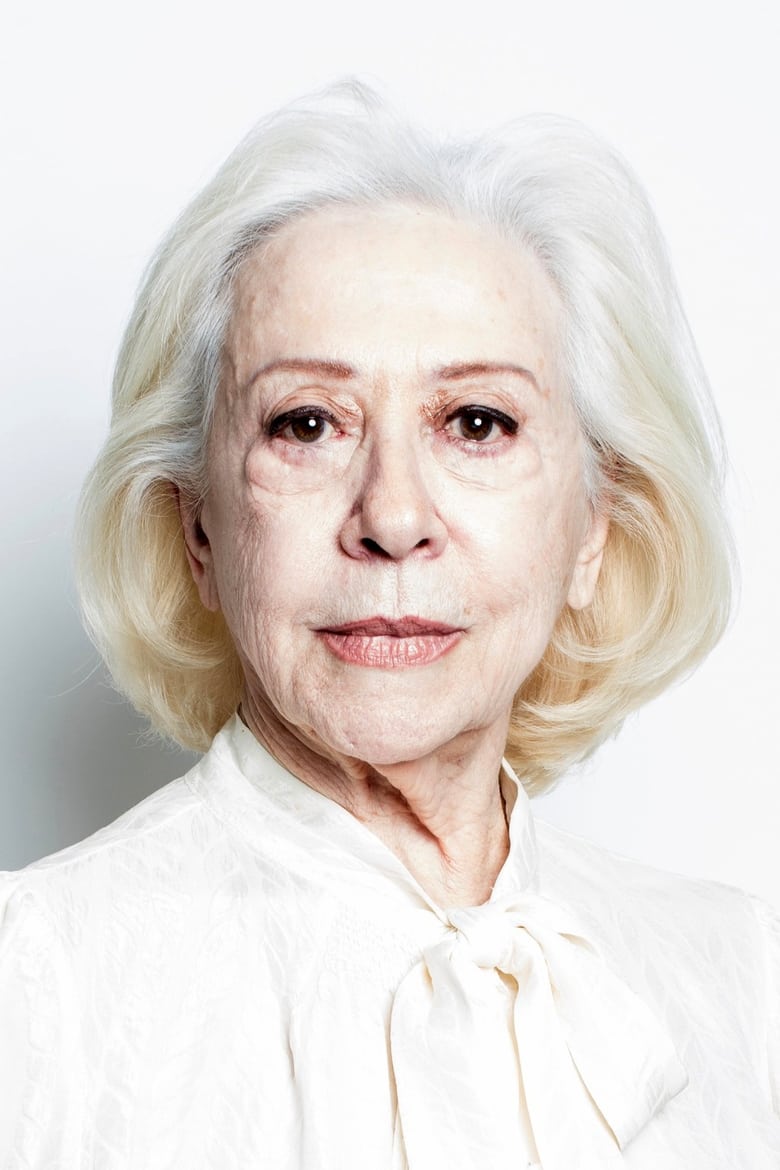
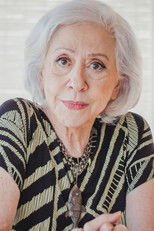
Arlette Pinheiro Monteiro Torres CRB • GCONM • COCS • OMC (Rio de Janeiro, October 16, 1929), better known as Fernanda Montenegro, is a Brazilian actress and writer. She is often referred to as "the grand dame of Brazilian dramaturgy" and "the greatest actress in the history of Brazil" for her extensive work in cinema, theater and television.
Internationally recognized, Fernanda was the first Brazilian to win the International Emmy in the best actress category for her performance in Doce de Mãe (2013), in addition to winning a Silver Bear at the Berlin Film Festival and receiving nominations for Golden Globe and Academy Award for best actress for her work in Central do Brasil (1998), being the first Latin American, Portuguese-speaking and Brazilian woman to be nominated in this category.From Wikipedia
Arlette Pinheiro Monteiro Torres (née Esteves da Silva; born 16 October 1929), known by her stage name Fernanda Montenegro (Brazilian Portuguese: [feʁˈnɐ̃dɐ mõtʃiˈneɡɾu]), is a Brazilian actress. Considered by many as the greatest Brazilian actress of all time, she is often referred to as the grande dame of Brazilian theater, cinema, and performing arts. For her work in Central Station (1998), she became the first Brazilian and first Latin American to be nominated for the Academy Award for Best Actress, as well as the first actress nominated for an Academy Award for a performance in a Portuguese language film. Her daughter, actress Fernanda Torres, was also nominated in 2025. Additionally, she became the first Brazilian to win the Emmy Award for Best Actress, for her performance in Sweet Mother (2014).
Among the various national and international awards she has received in a career spanning more than sixty years, she was awarded in 1999 her country's highest civilian honor, the National Order of Merit, "in recognition of her outstanding work in the Brazilian performing arts," delivered by then-president Fernando Henrique Cardoso. In addition to having been awarded the Molière Prize five times, Fernanda Montenegro is a three-time recipient of the Governor Award of the State of São Paulo. She also won the Silver Bear for Best Actress at the 48th Berlin International Film Festival 1998 for her performance as "Dora" in Central Station by Walter Salles, a role which earned her nominations for the Academy Award for Best Actress and the Golden Globe Award for Best Actress in a Motion Picture – Drama in 1999, among other distinctions. On television, she was the first actress hired by TV Tupi, in 1951, where she starred in teletheater shows under the direction of Fernando Torres, Sérgio Britto and Flávio Rangel. She made her debut in telenovelas in 1954 with A Muralha on RecordTV, where she appeared in other productions as well. She has done work in most of Brazil's main broadcasters, such as Band, TV Cultura, RecordTV, and TV Globo (where she remains since 1981), in addition to the defunct TV Excelsior, TV Rio and TV Tupi.
In 2014, she was voted the 15th most influential celebrity in Brazil by Forbes magazine. During the Opening Ceremony of the 2016 Summer Olympics, Fernanda read the poem "A Flor e a Náusea" by Carlos Drummond de Andrade, dubbed in English by Judi Dench.
On 4 November 2021, she was elected to occupy the Chair number 17 at the Brazilian Academy of Letters, in succession to Affonso Arinos de Mello Franco.
In November 2024, she was recognized by Guinness World Records for achieving the biggest audience in a Philosophy lecture, with over 15,000 people attending an event on 18 August 2024 at the Ibirapuera Park, where Montenegro read La Cérémonie des Adieux by Simone de Beauvoir. In December 2025, she confirmed her retirement from her career in film.

Web: Not available